What is Peace Day?
21 September
The International Day of Peace: a day of global ceasefire and non-violence, fixed in the calendar by the United Nations in 2001.
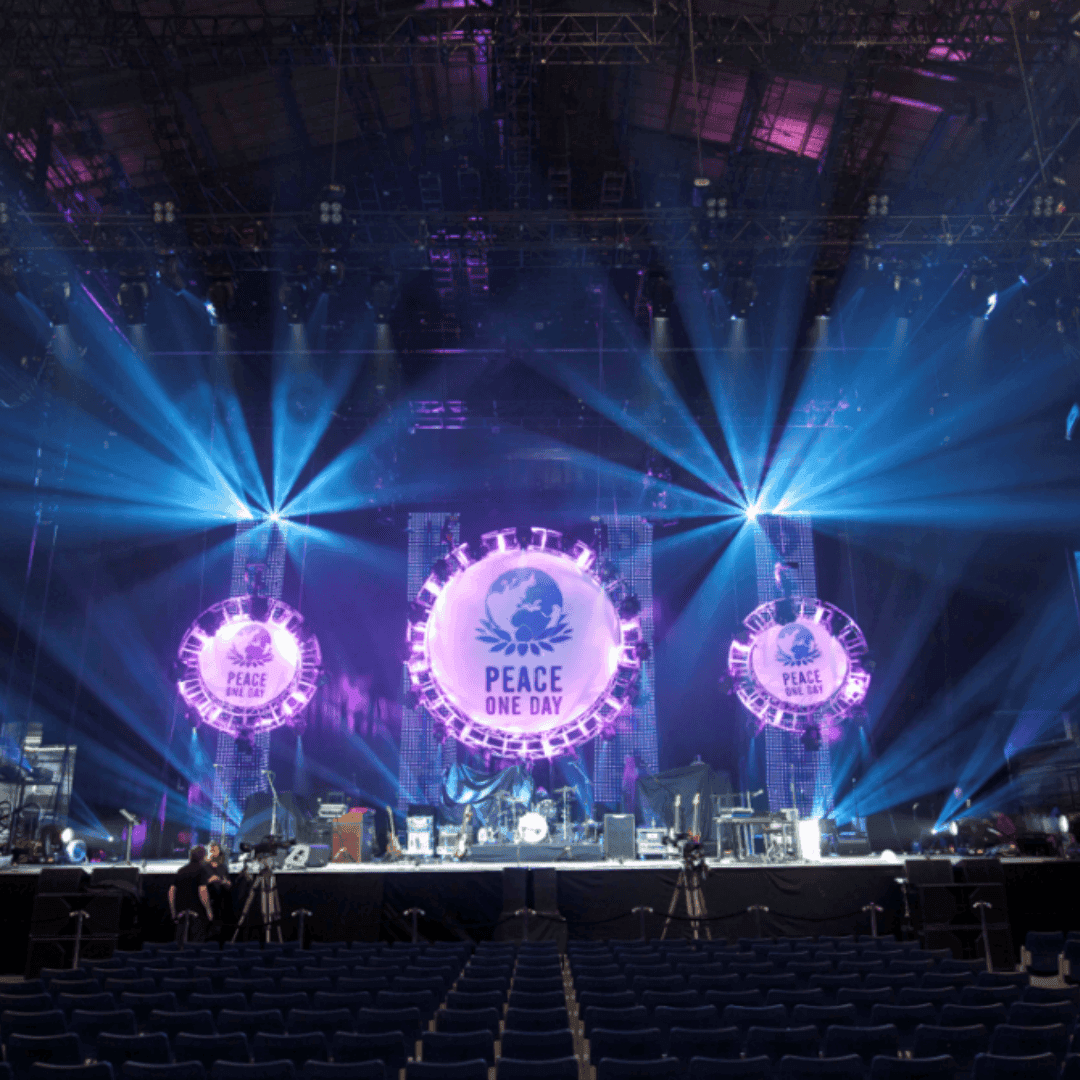
One day, shared by everyone
Peace Day transcends age, gender, race and religion. It is a moment of focused, collective intention, and a chance to show what humanity can do at its best.
Each year, hundreds of millions of people give peace a chance through words, actions, art, education, conversation and connection.
What one day can do
Peace Day is the day the world talks about peace more than any other, and the effect is measurable.
- people aware of Peace Day in 2016
- 940 million
- people aware of Peace Day in 2025
- 3 billion
- approximate reduction in violence on Peace Day, and growing
- 15%
- people aware of Peace Day by 2030
- 5 billion
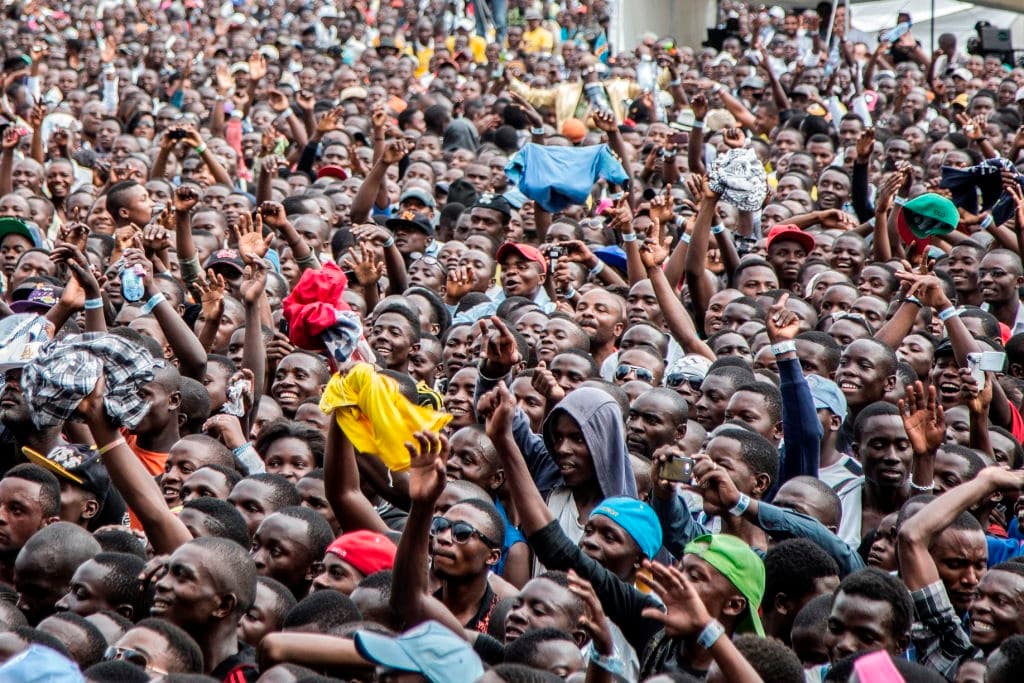
1981 to today
The story so far
From an idea with little traction to hundreds of millions of people, one 21 September at a time.
1981
The UN General Assembly creates the International Day of Peace with resolution 36/37, held on the third Tuesday of September and devoted to “commemorating and strengthening the ideals of peace both within and among all nations and peoples.”
1999
Actor turned filmmaker Jeremy Gilley sets out to document his campaign for a fixed date, and a new purpose: a day of ceasefire and non-violence. He founds Peace One Day.
2001
Every UN member state adopts 21 September as the first annual day of global ceasefire and non-violence. The announcement at UN headquarters in New York was set for the morning of 11 September.
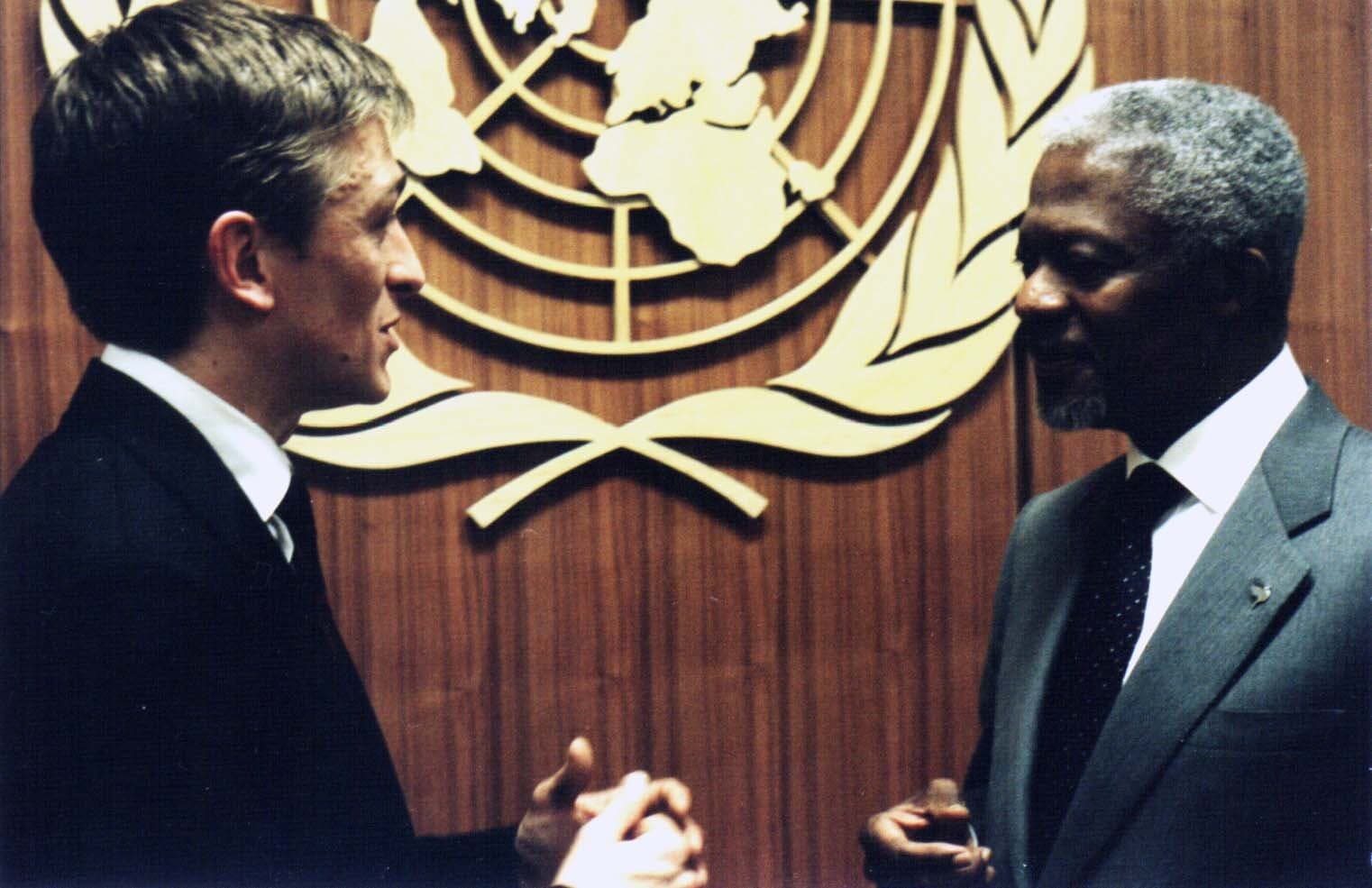
Jeremy Gilley with Kofi Annan 2002
Peace One Day stages the first Peace Day concert, for 4,500 people and a host of artists.
2007
A Peace Day ceasefire in Afghanistan is observed by all parties, including the Taliban. 10,000 aid workers vaccinate 4.5 million children against polio, a story told in our award-winning film The Day After Peace.
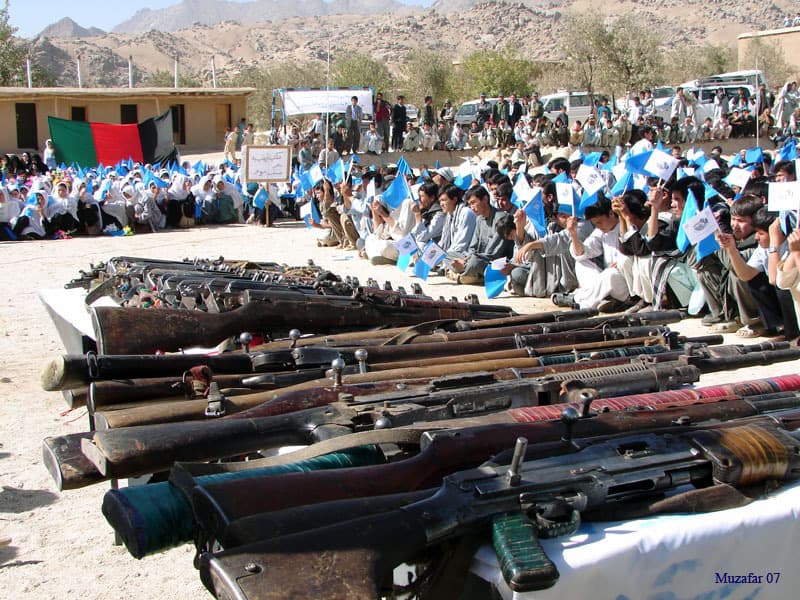
A Peace Day weapons handover in Afghanistan 2012
Measurement begins with McKinsey & Company. 280 million people in 198 countries know about Peace Day, 4% of the world.
2013
Awareness grows 68% to 470 million people in 200 countries, driven by schools, young people, faith communities, press and social media.
2014
Goma International Airport closes for the day to host a Peace Day celebration, the start of a three-year project in Africa’s Great Lakes region.
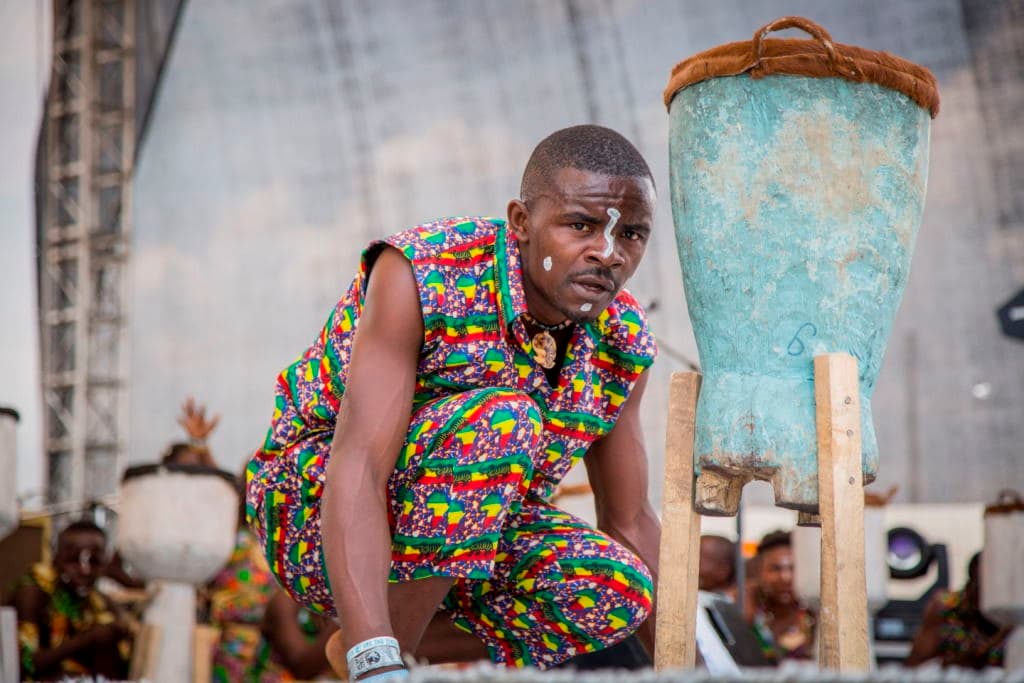
Goma, Democratic Republic of the Congo 2016
2.2 billion people have now seen the Peace Day message. 940 million know about the day, and 16 million behave more peacefully because of it.
2019
Our 20th anniversary sells out Shakespeare’s Globe in London, the venue that welcomed 114 guests in 1999. Digitalis, Social 360 and Signal AI start tracking Peace Day online.
2022
Data indicates a 15% fall in deaths worldwide on 21 September, compared with other days of the year.
2024
Publications mentioning Peace Day reach an estimated 23 billion. Peace One Day turns 25 with a Retrospective honouring the people who made it happen.
#DoYourPeace
Do Your Peace
Wherever you are, however much time you have.
- 01
Organise something
Plan your Peace Day action, big or small, with ideas and tools to get started.
Make a commitment - 02
Teach peace
Bring children and students into a real movement, with free curriculum-aligned lessons on peace and sustainability.
Free resources - 03
Share your impact
Show the world what you’re doing on 21 September.
#DoYourPeace #PeaceDay
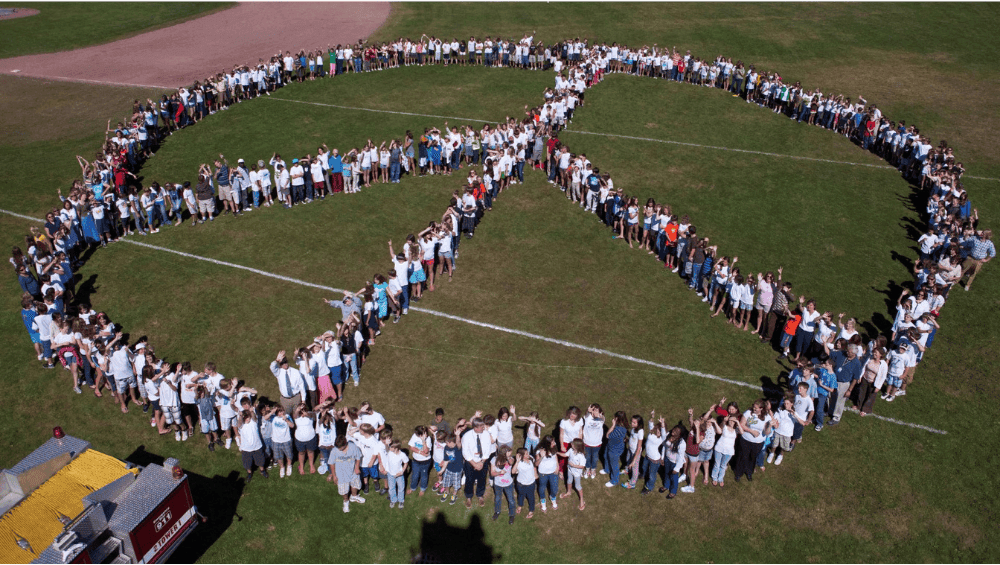
For classes and families
Unite in White
A simple act that sends a signal to the world. Wear white, tie a white ribbon or hang a white cloth from your window, and stand with hundreds of millions who believe peace is possible, and worth celebrating.
Download the lesson planRecognition
Backed by resolution
Peace Day is recognised by the United Nations and by the US Congress.
What will you do on 21 September?
Peace One Day exists to make Peace Day part of everyday life, and build a more just, inclusive, sustainable and peaceful world.