Our story
To build peace, start with one day
Since 1999, Peace One Day has driven the creation, growth and global engagement of Peace Day on 21 September.

“If you build a house, you start with one brick. To build peace, let’s start with one day.”
Year after year, data shows Peace Day is when more people are talking about peace than at any other time. The result is a measurable reduction in violence and death, and a rise in acts of kindness, reconciliation and community development worldwide.
This is the story of how it happened, in four chapters.
011999 to 2001
Creation
Creating Peace Day on 21 September was a journey in itself. Jeremy Gilley captured it in his debut documentary, Peace One Day, released in 2002.
The film follows the relentless effort it took to establish an annual day of ceasefire and non-violence in the global calendar, and made film central to how we tell our story.
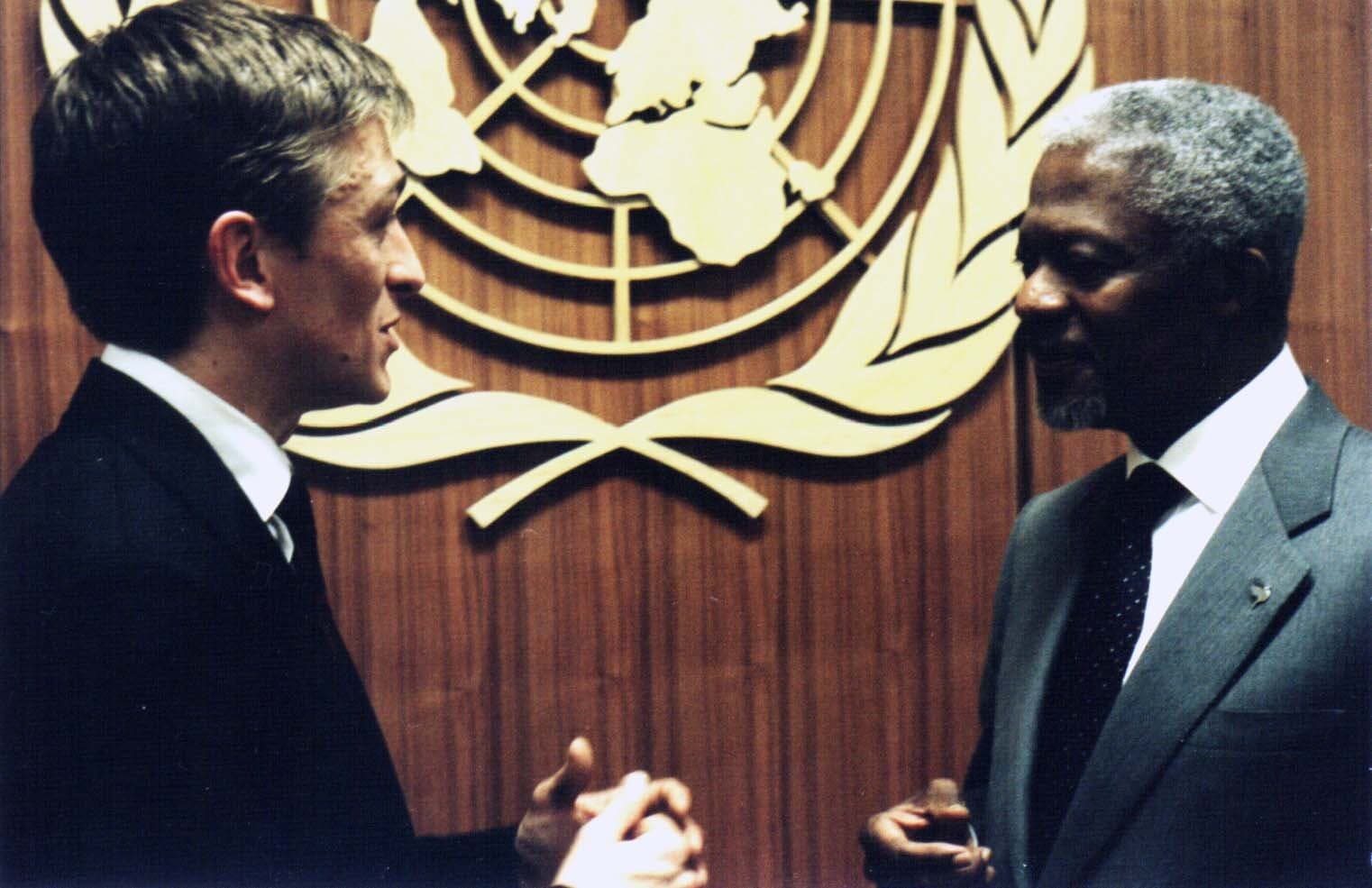
Watch Peace One Day, the full documentary
Sir Jeremy Greenstock, 25 years on. The man who played a pivotal role in creating Peace Day, and the voice of our most iconic scene.
022001 to 2007
Validation
Creating Peace Day took three years. Proving it worked took the next six. After the United Nations resolution in 2001, the sceptics asked: would people really engage, and could one day make a measurable difference?
Peace One Day rose to that challenge with an extraordinary global network behind it. That chapter became Jeremy's second documentary, the award-winning The Day After Peace.
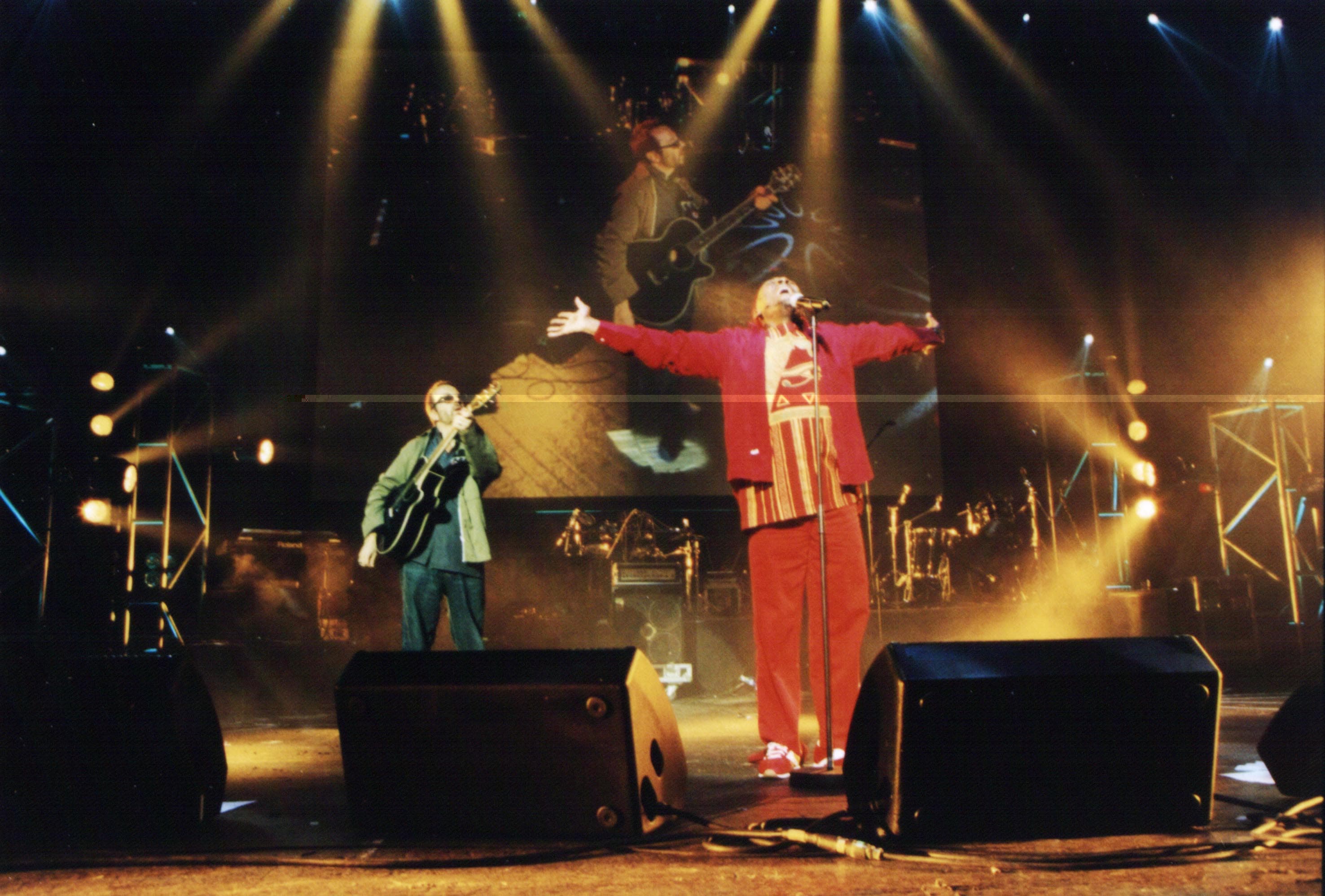
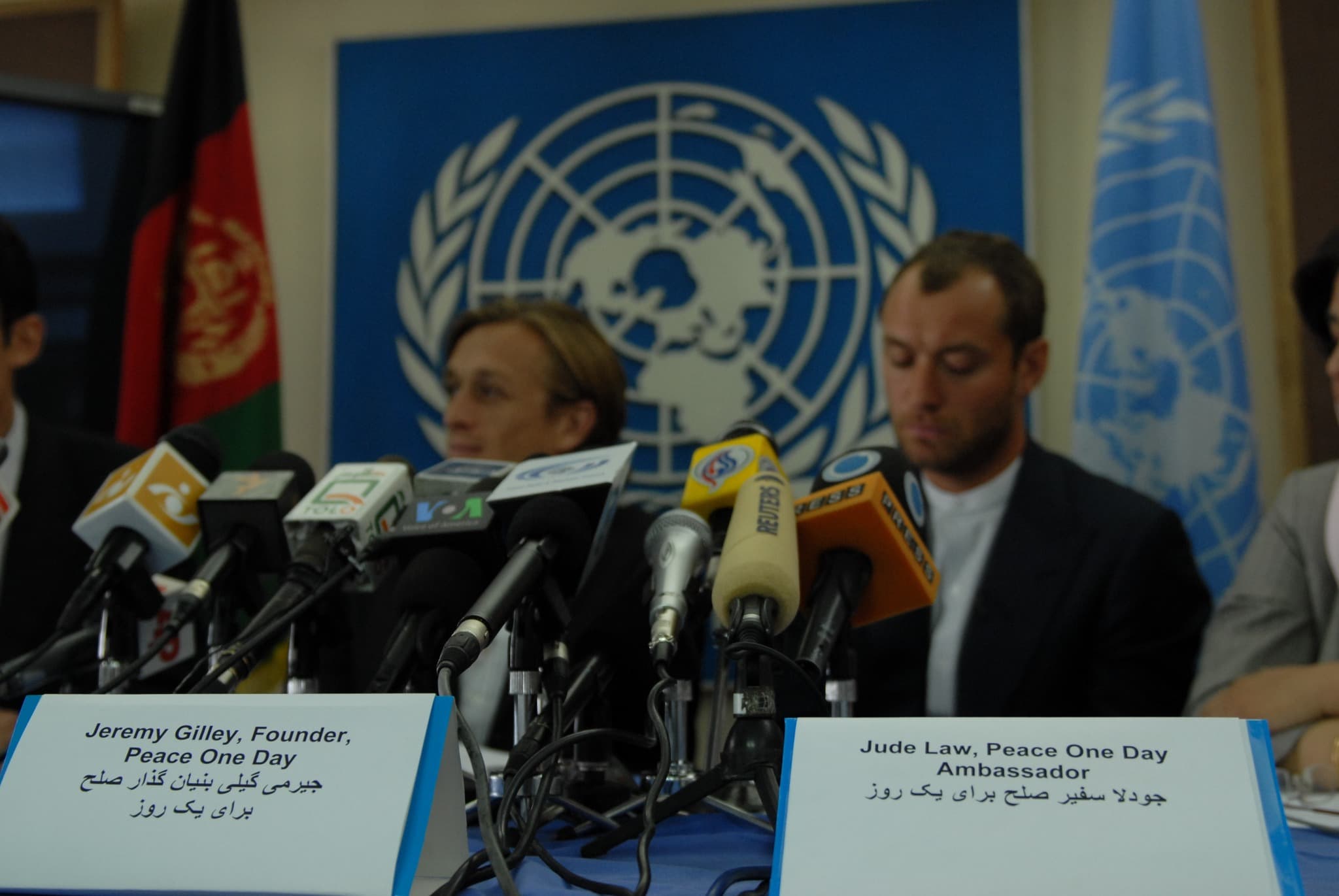
“People ask ‘What difference can a day make?’ Well, the difference is life or death.”
Afghanistan, Peace Day 2007
The day worked
Working with UNAMA, UNICEF, WHO and other UN agencies, Peace One Day secured a ceasefire observed by all parties on Peace Day 2007, including the Taliban.
- reduction in violence recorded on Peace Day 2007
- 70%
- aid workers able to reach communities safely
- 10,000
- Afghan children vaccinated against polio
- 4.5 million
032001 to today
Institutionalisation
With Peace Day established and proven, the mission became bringing 21 September to the whole world, with partners who could reach people everywhere.
Since then we have worked with United Nations agencies, UNICEF, the British Council, schools, civil society and young people worldwide.
Awareness matters because it shifts behaviour, and changed behaviour reduces violence. Our long-term vision is for Peace Day to become a self-sustaining moment of global unity.
- media impressions for “Peace Day” by 2024
- 11 billion
- estimated reduction in violent deaths on Peace Day
- 15%
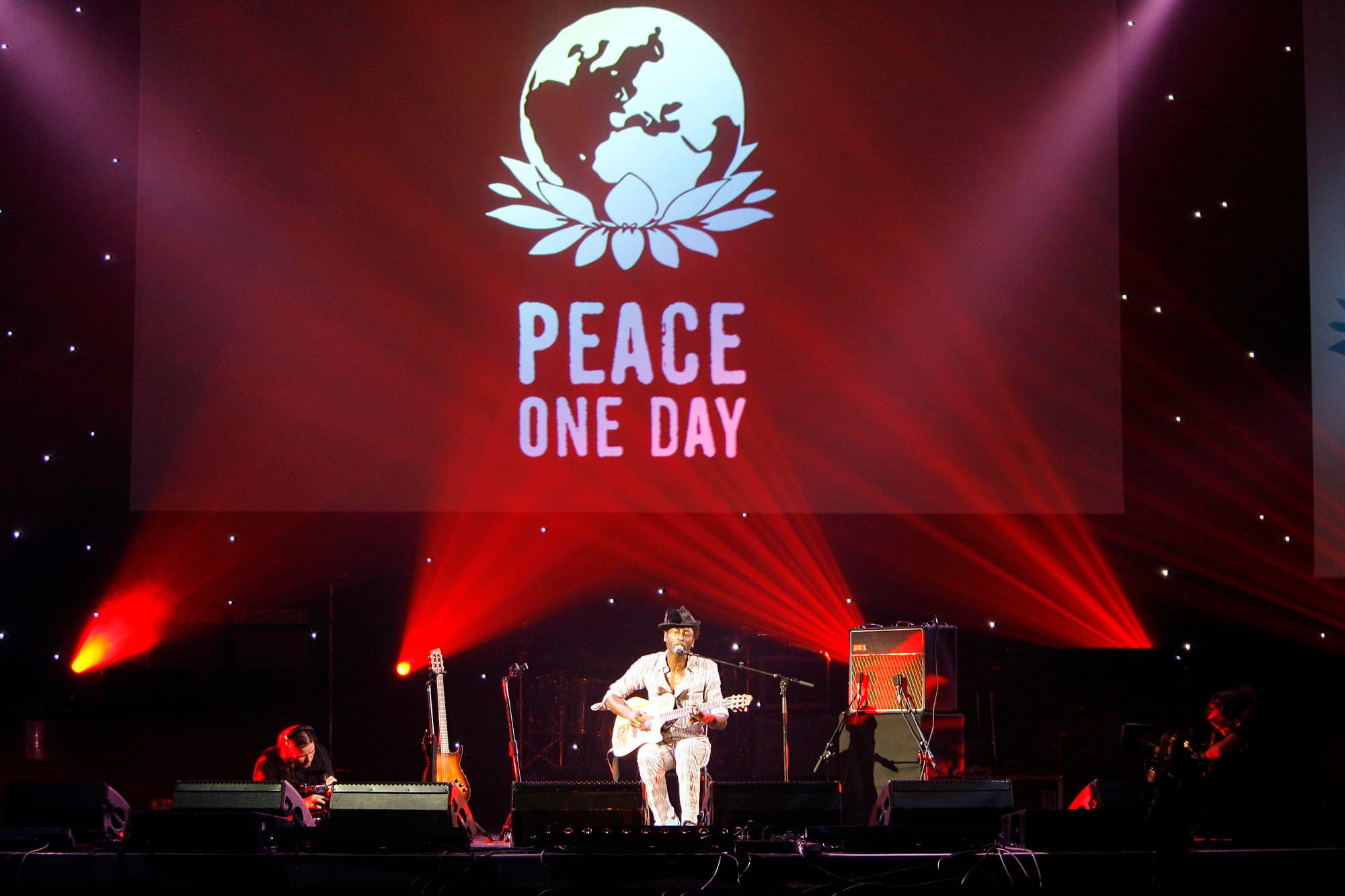
Le Grand Rex, Paris, 2009 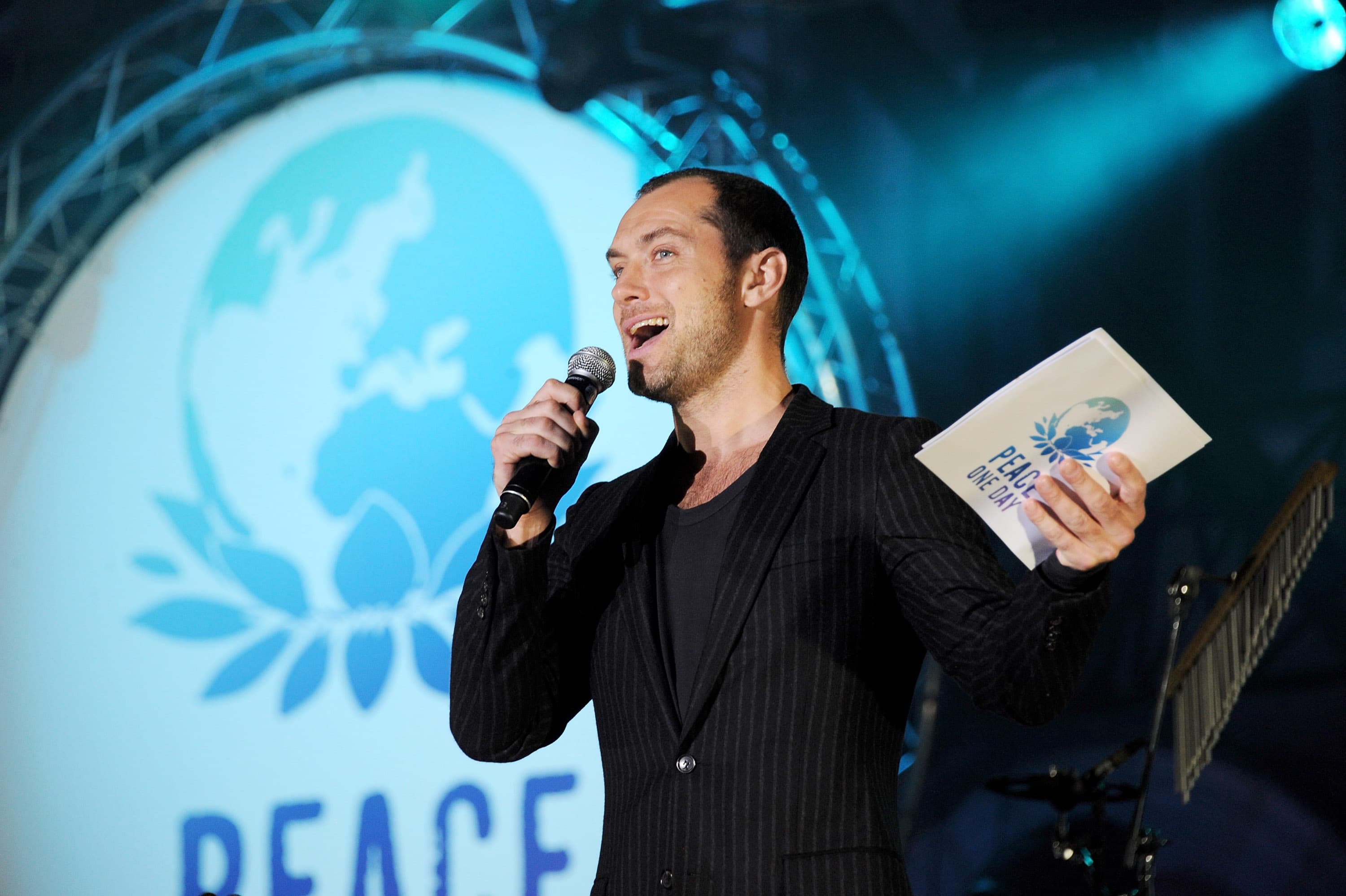
The Hague, 2013 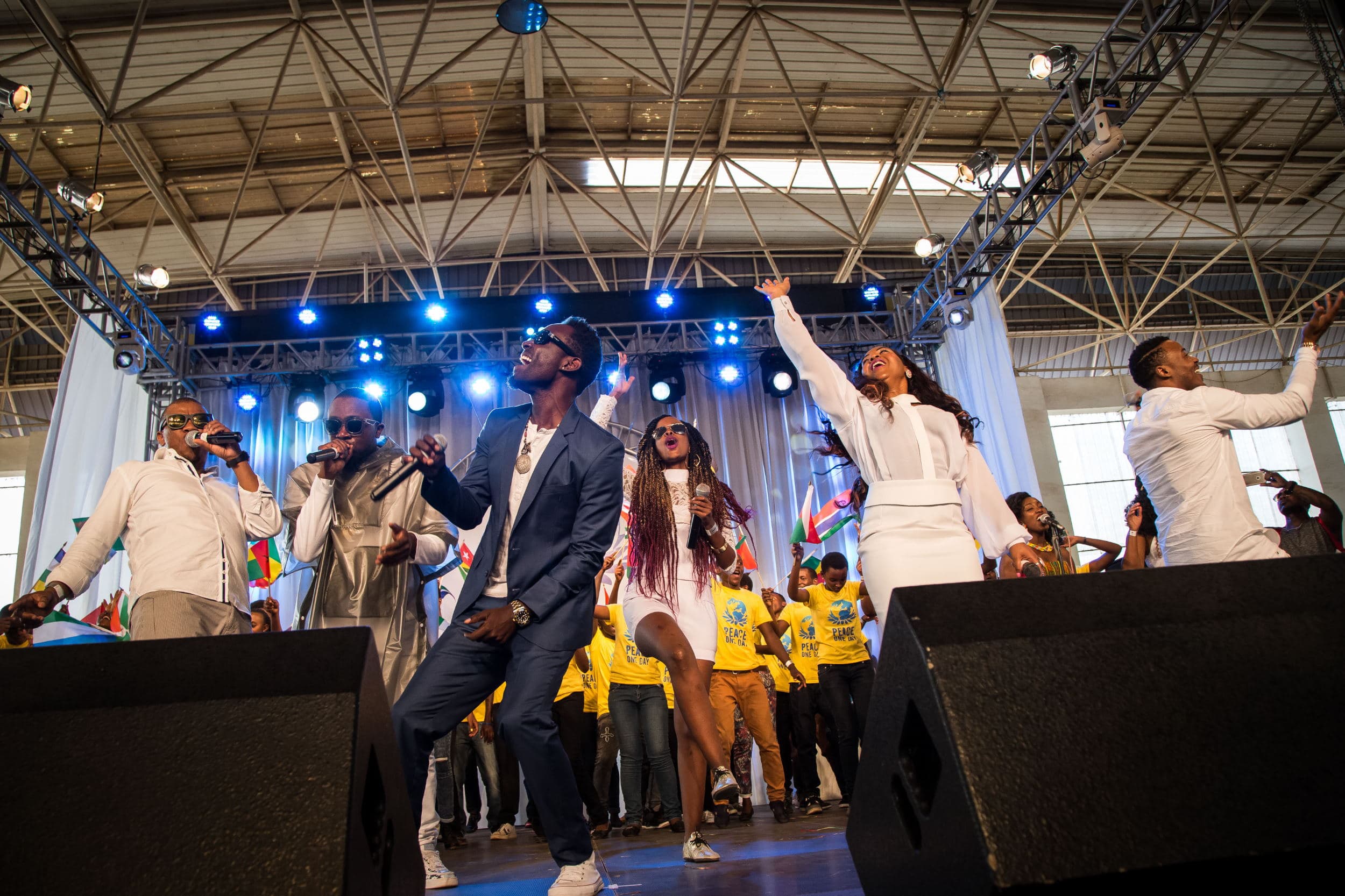
Kigali, Rwanda, 2015
04Since 2023
Diversification
We are impartial, apolitical and non-judgemental. We do not blame, shame or ridicule. Now we are applying 25 years of experience to the deeper pillars that sustain peace.
- Justice
- Equality
- Diversity and inclusion
- Climate
- Education
- Food security
- Ending violence against women
- Youth empowerment
- Artificial intelligence
- Anti-racism

The next 25 years
Peace One Day now convenes global conversations around the international days that shape our future, creating constructive narratives that inform, engage and inspire action. Just imagine what's possible in the next 25 years.
Recognition
Awards
Honours for Jeremy Gilley, Peace One Day and our films.
- 2025Goi Peace Award
- 2023MBE, for services to global peace
- 2020The Institute for Real Growth Leadership Program
- 2015Africa Peace Award, United Religions Initiative
- 2014Lennon-Ono Grant for Peace, Reykjavík
- 2013Champion of Peace Award, Sahara Balkan Peace Festival
- 2011IVCA Fellowship
- 2010Carnegie-Wateler Peace Prize, The Hague
- 2009Cinema for Peace, Most Inspirational Movie of the Year
- 2009Geneva Cinema Vérité Award
- 2009Zimbabwe International Film Festival, Best Documentary
- 2008Britain’s Best Award, Campaigner of the Year
- 2008IVCA Clarion Award, Champion Award
- 2006James Hammerstein Award
Be part of this year's story
Browse more than 20 years of Peace Day programmes, or make your own commitment and #DoYourPeace.